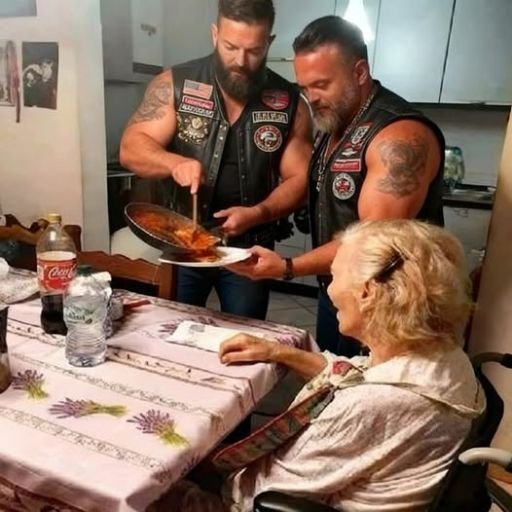
Category: temp

  • 12 Unusual Eye Changes That Might Predict Serious Health Issues

    12 Unusual Eye Changes That Might Predict Serious Health Issues

    They say the eyes are the mirror of the soul… but it turns out they are also the mirror of your body! Sometimes, before you start sneezing, coughing, or feeling sick, your eyes are raising their hand to warn you that something is wrong.

    Blurred vision? Yellow eyes? A nervous twitch that only happens when you have to speak in public?

    Beyond fatigue or everyday drama, these symptoms could be saying, “Watch out! There’s something bigger going on here.”

    In this article, we’ll explore 12 signs your eyes may be sending you about your overall health that you definitely shouldn’t ignore. Spoiler alert!

    Some have to do with chronic disease, some have to do with your lifestyle (hello, modern-day stress), and some could be the clue you’re missing to spot a problem before it becomes more serious. Content is provided for informational purposes only and is not intended as a substitute for medical advice. Seek guidance from your doctor regarding your health and medical conditions.

    1.

    Sudden blurred vision.

    Have you ever had the sudden sensation of seeing as if you were underwater? Sometimes it’s fatigue, but if blurred vision comes on suddenly and doesn’t go away, it could be a warning sign of something more serious. It could indicate diabetes, high blood pressure, or even a transient cerebrovascular accident (mini stroke).

    For example, diabetes can damage the blood vessels in the retina (diabetic retinopathy), which can affect vision. If this symptom lasts more than 24 hours, it is time to see a specialist.

    2.

    Yellow eyes (jaundice).

    When the whites of your eyes (sclera) turn yellow, your liver is probably calling for help. This is usually due to jaundice, which occurs when bilirubin builds up in the blood. It can be a symptom of hepatitis, cirrhosis, or gallbladder problems.

    If you notice this change in your eyes, don’t ignore it.

    3. Endlessly shaking eyelid.

    That twitch in your eye that happens just when you have a thousand things on your plate…

    yes, it can be stress, but it can also be lack of sleep, excessive caffeine, or magnesium deficiency. It usually goes away on its own, but if it persists for weeks, it could be a sign of a neurological disorder such as multiple sclerosis.

    4.

    Dry or watery eyes.

    If you feel like you have dust in your eyes all day, it may be more than just a nuisance. Dry eye syndrome occurs when we don’t produce enough tears and can be linked to autoimmune diseases such as Sjögren’s syndrome. In addition, overuse of digital screens causes us to blink less, which can make dryness worse.

    5. Loss of peripheral vision.

    Have you noticed that you have trouble seeing from the side and didn’t realize it until someone pointed it out to you? This could be an early symptom of glaucoma, a silent disease that damages the optic nerve.

    Because it progresses without obvious symptoms, many people discover it when irreversible damage has already occurred. Fortunately, an eye exam can detect it early.

    6.

    Black spots or flashing lights.

    Those little spots or dots that seem to move when you try to focus on them are called myodesopsias, and they are usually harmless when they appear a little at a time. BUT… if you suddenly see many more than usual, or if they are accompanied by flashes of lightning, they may be a sign of something serious: retinal detachment.

    This is an urgent problem: the retina (which is like the screen where we “see” images) detaches from its place, and if it is not treated immediately, you can lose vision in that eye. So if you’d better see an ophthalmologist.

    7.

    Bulging eyes (exophthalmia).

    Do your eyes seem more bulging or prominent than normal, as if you are always being surprised? This appearance may be a classic symptom of Graves’ disease, a type of autoimmune hyperthyroidism. In this disease, the immune system mistakenly attacks the tissues behind the eye, pushing them outward.

    In addition to the physical change, you may experience eye pressure, do

    uble vision, dry eyes, or difficulty closing your eyes completely while sleeping. It’s not just a cosmetic problem: If left untreated, it can seriously affect your vision. This condition is more common in women between the ages of 30 and 50, and is often accompanied by weight loss, nervousness, and insomnia.

    8. Iris color changes or brown rings.

    If you look in the mirror and notice a brown, greenish, or golden ring around your iris, you may have what is called a Kayser-Fleischer ring, a visible sign of Wilson’s disease. This is a genetic disorder in which the body accumulates excess copper, affecting organs such as the liver, brain, and eyes.

    Although rare, it can cause severe neurological damage if not caught early. This ring appears on the cornea and does not affect vision, but is a valuable clue for doctors to detect the disorder. If you experience symptoms such as tremors, slurred speech, or involuntary movements along with this ring, seek medical attention immediately.

    9. Chronic redness.

    A little red in your eyes after a long night or from allergies is normal. But if your eyes are constantly bloodshot, or have a constant burning sensation, it could be a sign of something more serious.

    Persistent redness can be related to inflammatory conditions such as uveitis, an inflammation of the middle layer of the eye that can be associated with autoimmune diseases such as lupus or rheumatoid arthritis. It may also indicate an eye infection, glaucoma, or chronic conjunctivitis.

    10.

    Severe eye pain.

    An eye that hurts, that even blinking does not relieve, deserves urgent attention. Acute eye pain can have several causes, some of which are very dangerous. One of the most serious is angle-closure glaucoma, which occurs when the pressure inside the eye suddenly rises.

    You may experience severe pain, nausea, vomiting, and blurred vision with halos around lights. It can also be a sign of a corneal ulcer, optic neuritis, or even a serious infection. If the pain doesn’t go away or gets worse and is accompanied by vision loss or fever, it’s time to run to the eye doctor.

    11. Changes in color vision.

    Do colors no longer look as vivid as they used to? This change may indicate problems in the optic nerve.

    One possible cause is optic neuropathy, often related to diabetes or hypertension. It may also be an early sign of age-related macular degeneration (AMD), which affects the center of the retina. Changes in color perception are not always noticed right away, but if you detect anything unusual, it’s best to consult.

    12. Extreme sensitivity to light (photophobia).

    If light bothers you more than usual, you may have photophobia, a symptom of several conditions. The causes can range from something as mild as a migraine to an eye infection such as keratitis, endophthalmitis, or even meningitis.

    It is also common in people who suffer from dry eye syndrome or who spend long hours in front of unprotected digital displays. If you work with a screen all day, adjust the brightness, use blue light filters, and take breaks every 20 minutes to blink and look away. If you notice any strange changes in your vision or eyes, no matter how minor, don’t let it go.

    Get checked out and listen to your body. And if you want to continue taking care of your health through your eyes, check out this article about how excessive screen time may be affecting your health more than you think. Source: Brightside

  • My Neighbor Tried to Drive Me Out of Our Neighborhood — In the End, Karma Hit Her Hard – Story of the Day

    My Neighbor Tried to Drive Me Out of Our Neighborhood — In the End, Karma Hit Her Hard – Story of the Day

    I had just moved into the new house my husband and I recently bought, when one of the neighbors immediately began doing everything she could to force me and my children to sell it and leave the neighborhood. But she didn’t know about the law of karma. And that law punished her harshly!

    It had been just a month since I moved into our new house near the forest. My husband and I had dreamed of this moment for years: a cozy two-story home, far enough from the city noise to finally breathe, yet close enough to have everything we needed. Steve, my husband, was mostly abroad in Europe for work, so the house was meant to be my world with our two boys, five-year-old Dylan and eight-year-old Mike.

    The day we unpacked felt promising. The air was fresher here, the road was quiet, and the surrounding trees gave the neighborhood a sense of calm. I thought, This is where my children will grow up, where they’ll ride their bikes, where I’ll finally feel settled.

    That illusion lasted only a few hours.

    While the boys played in the yard, laughing and chasing each other, a knock came at the front door. I hurried to open it, expecting a neighbor bringing cookies or a kind “welcome.”

    Instead, a woman of about forty-five stood glaring at me. Her face was tight with irritation, not friendliness.

    Before I could even say hello, she raised her voice. “First your trucks blocked the street and roared like monsters while they unloaded. Now your kids are squealing like mice for the whole street to hear!

    Do you people have no shame?”

    For a second, I stood stunned. I had prepared myself for small complaints—cars, boxes, noise—but not this. She wasn’t just criticizing the move.

    She was insulting my children. Something inside me snapped. “You don’t get to talk about my boys like that,” I shot back, my voice sharper than I’d intended.

    “Turn around and get off my property. I don’t ever want to see you here again.”

    Her mouth curled in a mocking smirk, but she said nothing more. She spun on her heel and walked away, muttering under her breath.

    I shut the door, my heart racing, anger bubbling in my chest. I looked over at Dylan and Mike through the window. They were still running in the yard, unaware of the confrontation.

    This wasn’t how I wanted to meet the neighbors. I had imagined kindness, maybe even new friendships. Instead, I’d just made an enemy—and she lived only steps away.

    That evening I felt restless. The confrontation still burned in my mind. I needed someone—anyone—normal to talk to.

    So when I noticed a woman my age watering flowers two houses down, I decided to introduce myself. “Hi, I’m new here,” I said, walking up nervously. She looked up and smiled warmly.

    “I’m Emily. You must be the one who just moved in. How are you settling?”

    I exhaled with relief.

    “Well… it’s been a rocky start.”

    She tilted her head knowingly. “Let me guess. You’ve already met her.”

    I nodded.

    “She showed up at my door, yelling about my kids.”

    Emily sighed. “Yeah. She doesn’t like noise, especially from children.

    Honestly, most people on this street don’t. It’s almost like a child-free zone. Couples, retirees, singles—but no families.

    That’s why your moving trucks probably felt like a bomb dropped.”

    “So because I have kids, we’re targets?” I asked bitterly. Emily gave a half-smile. “Maybe.

    But don’t take it too hard. People here can be… intense. Want to grab a coffee?

    There’s a café just a mile away.”

    We sat in the café for over an hour. Talking with her calmed me—at least until I came home. The boys were skipping ahead of me, laughing, when we reached our driveway.

    My breath caught. Spray-painted across the front of our house in ugly black letters: GET OUT! “No,” I whispered, my stomach twisting.

    “Mom, what does it say?” Mike asked, clutching my arm. Dylan hid behind me, sensing my fear. Rage surged through me.

    I marched straight across the street and pounded on the hostile neighbor’s door. She opened with a smug expression, as though expecting me. “Stay away from my house,” I warned, my voice trembling but firm.

    “If you come near us again, I’ll call the police.”

    She laughed. “Go ahead. Find a buyer for that house.

    You won’t last here.”

    Just then, her dog barked loudly behind her. My sons flinched. She glanced at them, her smile turning cruel.

    “Aw, are the little boys scared of animals? How cute.” She shoved the door wider, letting the dog bound forward. The boys screamed and bolted toward the street.

    “Enough!” I shouted, scooping Dylan into my arms and pulling Mike close. Her laughter rang out as we hurried away. That night, I set up a security camera at the entrance.

    If she wanted a war, she’d chosen the wrong mother to provoke. The next morning started beautifully. Sunlight filtered through the curtains, and for the first time since moving in, I woke up hopeful.

    The boys were cheerful, giggling as they ate their cereal. Dylan asked if they could go play outside after breakfast. “Of course,” I smiled.

    “But stay close to the house.”

    They dashed out the front door, their little voices ringing with joy—until Dylan’s scream pierced the air. “Mom!” he shrieked. I dropped my mug and ran.

    The sight froze me. Our yard was swarming with animals. A massive moose stood near the fence, antlers wide and threatening.

    Raccoons scattered across the lawn, and smaller woodland creatures darted around as if they owned the place. “Inside!” I cried, grabbing Dylan’s arm. Mike clung to my coat as we bolted back indoors.

    My hands shook as I locked the door. I rushed to the monitor for the security camera. Rewinding the footage from the night before, my stomach clenched.

    A figure in a dark hoodie and mask crept across the yard, tossing something over the fence—bags of bait. Someone had delibera

    tely lured the animals here. My heart pounded.

    There was no doubt in my mind who was behind it. I grabbed the phone and called Steve overseas. He answered groggily.

    “Is everything all right?”

    “No, it’s not!” I snapped. “Someone threw bait in our yard. This morning it was filled with animals—dangerous ones!

    The kids were terrified. She’s escalating, Steve. She won’t stop until—”

    “Calm down,” he interrupted softly.

    “Don’t escalate this. If you push back, it’ll only get worse. Stay away from conflict.

    Please.”

    I clenched my jaw. “Our children are being targeted, and you want me to ignore it?”

    “I’m saying… think about the long term. Don’t give her ammunition.”

    We ended the call in anger, his calmness colliding with my fury.

    That afternoon, after the kids had settled, I sat at the kitchen table staring at the half-eaten pie I’d baked the day before. Maybe I was wrong. Maybe fighting her head-on wasn’t the answer.

    So I packed the pie into a box, tucked it under my arm, and walked down the street. Alone this time. No children.

    No anger. Just one last chance at peace. I knocked on her door, heart pounding.

    When she opened it, her eyes narrowed—then softened at the sight of the pie. “Truce?” she asked. “Yes,” I said, forcing a smile.

    “Truce.”

    She stepped aside and gestured for me to come in. I hesitated for a heartbeat, then entered. The living room smelled faintly of incense, though it didn’t mask the cold, sharp edge in her presence.

    Still, she motioned toward the table, and I set the pie down. “Peace offering,” I said. Her lips curled into something between a smirk and a smile.

    “Well… I can’t say no to pie. Please, sit.”

    We cut slices and sat across from each other. For the first few minutes, conversation felt surprisingly civil.

    She asked about my boys, and I told her about Dylan’s love for drawing and Mike’s obsession with dinosaurs. “I didn’t mean to insult them the other day,” she said at last, her tone lighter than before. “It’s just… I like my peace and quiet.

    Kids can be loud, you know?”

    I gripped my fork tighter. “I understand, but when you insulted my children, I couldn’t stay silent. They’re just kids.

    They deserve space to laugh.”

    Her eyes flickered. For a moment I thought I saw genuine understanding. “Maybe I was too harsh,” she admitted.

    I exhaled, finally letting some tension slip away. Maybe this will work, I thought. Maybe she’s human after all.

    Then, out of nowhere, the baby monitor I had left on the kitchen counter crackled to life.

    A high-pitched scream echoed through the tiny speaker. “Mom! Mice!

    Mice! There are so many!” Dylan’s terrified voice filled the room. My heart lurched.

    I shot up from my chair, nearly knocking it over. “What did you do?” I demanded. She leaned back, laughter spilling from her lips.

    “Very tasty pie. Thank you, friend!” she shouted after me as I bolted out the door. I sprinted home, adrenaline pumping.

    Bursting inside, I found the boys standing on chairs, pointing at the floor. Dozens of mice scattered across the kitchen tiles, their tiny bodies slipping into every corner. Dylan sobbed, clutching his brother.

    I scooped them both up, my stomach twisting in rage and fear. Later, I would learn the truth: she had paid a teenager to release the mice through a vent. That was the last straw.

    As I rocked my crying children that night, one thought burned clear in my mind: I will do everything in my power to make her pay.

    That night I sat at the dining table with a lawyer I had hired. Papers were spread across the wood surface—complaints, timelines, evidence from the camera. My voice shook as I recounted everything: the shouting at the door, the graffiti, the dog, the bait, the animals, the mice.

    “She’s crossed every line,” I said. “My children are terrified in their own home. I want the police involved.

    I want the court to see what she’s done.”

    The lawyer nodded, calm but firm. “You have a strong case. We’ll file both a criminal complaint and a civil suit.

    But be prepared—it could take time.”

    Before I could reply, a thunderous crash shook the house. The lawyer and I froze. Then came shouting, and the smell of smoke.

    I leapt from my chair and ran outside. Down the street, a plume of dust and smoke rose from the neighbor’s property. Her house had partially collapsed.

    I sprinted toward the wreckage, ignoring the lawyer’s call behind me. The sight was shocking—the roof had caved in on one side, the walls tilting dangerously. Amid the chaos, I heard a weak cry.

    “Help! Someone help!”

    She was trapped beneath a beam. For a second, I thought about everything she had done to me—my boys screaming in fear, my nights filled with anxiety.

    But instinct took over. I grabbed the edge of the beam, straining with all my strength. The lawyer rushed in to help, and together we freed her.

    She coughed, covered in dust, but alive. Firefighters and medics arrived minutes later, ushering us back. And then, before our eyes, the rest of the house groaned and collapsed into rubble.

    She sat on the curb, trembling, her face pale with shock. “Are you hurt?” I asked softly. She shook her head.

    “No… just bruised. But my house—everything—gone.”

    I hesitated, then said quietly, “You can stay with us, at least until you find another place.”

    Her eyes filled with tears. “After what I did to you?

    After what I did to your kids?”

    “You’re still human,” I said. “And they deserve to see that kindness exists, even after cruelty.”

    She refused at first, pride stiffening her spine. But a few days later, she appeared at my door, holding a pie.

    Her eyes were red, her voice shaky. “I’m sorry,” she whispered. “The inspectors came this morning.

    They said the collapse happened because mice gnawed through the wooden foundation beams. My own trap destroyed me.”

    I stared, stunned. “And the insurance?” I asked.

    She shook her head. “I was so consumed with fighting you, I forgot to renew my policy. There will be no payout.

    Nothing.” Her voice cracked. “That’s how karma punished me.”

    For the first time, she lowered her guard completely. Not as the cruel neighbor, but as a woman broken by her own bitterness.

    “Stay,” I said simply. “Until you’re back on your feet. Let’s end this war.”

    Her lips trembled into a fragile smile.

    For once, the silence between us wasn’t filled with hatred but with the possibility of peace. Tell us what you think about this story, and share it with your friends. It might inspire them and brighten their day.

  • My Mom Abandoned Me With My Dad – 22 Years Later She Showed Up On Our Doorstep And Handed Me An Envelope

    My Mom Abandoned Me With My Dad – 22 Years Later She Showed Up On Our Doorstep And Handed Me An Envelope

    When Dylan’s estranged mother reappears after two decades, she brings more than just a face from the past… she brings a secret that threatens everything he’s built. But what begins as a confrontation quickly becomes a reckoning, forcing Dylan to choose between blood…

    and the man who raised him. I’m Dylan, and my life’s been… complicated.

    My mom, Jessica, had me really young. She and my dad, Greg, were barely adults themselves. I was told they tried to make it work for a while, but whatever held them together wasn’t strong enough to last.

    Not through a pregnancy… and not through me. The day I was born, my father rushed to the hospital, thinking he’d be meeting his son and starting a new chapter with my mother. Instead, she handed me over to my father.

    “I’m not interested in parenting, Greg,” she’d said. “I don’t want him. You can do it.”

    And then she limped out of the hospital and out of my life.

    There was no child support, financial or emotional. There was nothing, no voice on the line, no cards, no birthday wishes. Just silence that stretched across the years like a wall we never climbed.

    Sometimes that silence was louder than any fight could’ve been. My father raised me entirely on his own. Every fever, every scraped knee, every late-night supermarket run because I suddenly needed poster board for a school project, he was there.

    He cooked, cleaned, did my laundry, and kept the lights on, even when the power company threatened to shut us off. And not once, not a single time, did he complain. What always surprised me most was that he never said a bad word about her.

    Not even in passing. Not even when he was tired, stressed, or overwhelmed. When I was seven, I asked him what my mother looked like.

    He didn’t get awkward or try to change the subject. Instead, he pulled a small, worn photo out of the nightstand drawer and handed it to me carefully. “She’s your mom, Dyl,” he said softly.

    “Of course, you should know what she looks like.”

    She had soft brown eyes and auburn hair that spilled over her shoulders. She looked like someone in a shampoo commercial, beautiful, carefree, and untouched by life. “Why did she leave?” I asked.

    He sat down beside me and let out a quiet sigh. “Sometimes people make choices we don’t understand,” he said. “That doesn’t mean they’re bad people.

    It just means… they weren’t ready for whatever was happening at the time. Do you understand that?”

    I remember not knowing what to say. So, I just nodded.

    “Do you hate her, Dad?” I asked. “No,” he said, shaking his head. “I just love you more than I hate what she did.”

    That sentence never left me.

    I didn’t fully understand it then, but I do now. It’s what held everything together. It’s what taught me that love isn’t about being there when it’s convenient, it’s about choosing to stay, even when it’s hard.

    And my dad?

    He stayed. We didn’t have much growing up. My dad worked maintenance at a high school during the week and bartended on weekends.

    Sometimes, he’d come home with blisters on his hands, back aching, and fall asleep on the couch still wearing his work boots. By 10, I was cooking real meals, folding laundry perfectly, and brewing coffee strong enough to keep him awake for his shifts. Childhood felt less like growing up and more like stepping into his shadow, trying to keep pace.

    I didn’t mind. I don’t think I ever did. In fact, I was proud of him, of us.

    I worked really hard in school. And not because anyone expected me to, but because I wanted to give something back to the man who gave me everything. “You know you don’t have to carry the whole world on your shoulders, Dylan,” he used to say.

    “I’m the Dad. It’s my job to worry, not yours.”

    “I know,” I’d answer. “But maybe I can carry part of it.”

    By the time I was 21, I’d founded LaunchPad, a startup that connected young creatives to mentors and micro-investors.

    Basically, if you were a broke artist with a dream and no resources, we gave you a chance. Within a year, it had blown up. We were featured on local television, then the national news.

    And soon, my words started showing up in interviews, podcasts, even panel events. Suddenly, people other than my father cared what I had to say. And for the first time, I caught myself thinking: What if she saw me now?

    Would she be proud?

    Would she regret leaving?

    Would she look at everything I’d built, the company, the team, the mission… and feel something like maternal instinct crack open inside her? Or would she feel nothing at all?

    I never said those thoughts out loud. Not to my dad… but they hung in the corners of my mind, waiting.

    And it turned out that I didn’t have to wonder for long. One Saturday morning, I was sitting in the home office, answering emails and prepping mentorship calls when I heard Dad’s voice drift in from the front porch. “Dyl,” he called, a little unsure.

    “Someone’s here…

    asking for you, son.”

    I stood up slowly. His tone startled me a little. It was gentle…

    but guarded.

    Like he already knew who it was. I stepped into the hallway, my heart thudding. He was standing near the screen door, hand on the frame.

    “Jessica,” he said simply. And then I saw her. Jessica.

    My biological mother. The woman I had imagined more times than I could count. Her hair was shorter now.

    There were tired lines around her eyes. She looked older than the woman in the photo, but there was no doubt. It was her. She looked like life had finally touched her, but not in the ways that leave wisdom behind. “Dylan,” she said, her voice smooth and steady.

    “It’s been a long time.”

    “Yes,” I said, barely above a whisper. “It has.”

    There was a strange, almost cinematic silence between us. I waited for something.

    Tears, an apology, or jus

    t any sign that this moment mattered to her the way it did to me. I had imagined this a hundred different ways. I used to dream that she’d cry when she saw me, that she’d wrap me in her arms and whisper how sorry she was for missing my entire life.

    But Jessica didn’t do any of those things – not a tear, not even a flicker of regret. Instead, she reached into her bag and pulled out a manila envelope. “This is for you,” she said, like she was handing me a flyer.

    Then she added, with a little too much brightness, “It’s a surprise!”

    I looked down at the envelope. It was unsealed. My fingers trembled as I opened it, suddenly aware of the weight of my dad’s presence behind me, quiet and steady.

    Inside was a DNA test. I stared at it, trying to make sense of the black-and-white printout, the names, the numbers, the probability chart at the bottom. Jessica pointed toward my dad, who hadn’t moved at all.

    “This proves that this man is not your biological father, Dylan,” she said calmly. “I had the test done privately after you were born. I suspected that he wasn’t your biological father, but he was the better man…

    I never told Greg.

    I kept the results, of course. I didn’t think it mattered at the time…

    but now, with everything you’ve accomplished, I thought you deserved the truth.”

    She smiled, almost gently, like she was doing me a favor. “You’re mine, honey,” she added.

    “Now, we can begin our lives from the start.”

    “I’m sorry, what?” My voice cracked. She didn’t flinch. She just pulled out a stapled set of documents from her bag and unfolded them with care, like it was a presentation she’d rehearsed.

    She laid the contract on the porch railing, pulled a pen from her purse, and clicked it. “All that’s left is for you to sign,” she said, sliding a document toward me. I stared down at the paper.

    It was thick legal language. I was used to it by now, but that didn’t mean I understood it. Still, I skimmed through it.

    Paragraph three hit me like a punch to the face: she was trying to claim a share of my company.

    LaunchPad. The thing I’d built from scratch. The thing that existed in her absence. I looked up at her and, for the first time, I really saw her for what she was.

    The practiced tone, the empty smile, and the cool, deliberate way she stood like a guest, not a mother. She wasn’t here for reconciliation; she was here for what she thought she could gain. “I think I finally get it now,” I said quietly.

    My dad stepped forward, his eyes fixed on me, not her. “Blood doesn’t make a parent, Jessica,” I said, holding the DNA test like it might catch fire. “My dad raised me.

    He loved me more than anything. And he taught me how to be a man. You’re nothing but a stranger.”

    “You can’t just—” she began, her expression shifted, disbelief bleeding into anger.

    “I can,” I said. “And I am.”

    I handed her back the document, unsigned. “You left me once without thinking about the consequences.

    This time, I’m the one closing the door.”

    She tried to recover, throwing words at me. Something about rights, family, and second chances, but I wasn’t listening. The kitchen smelled like garlic and thyme, the kind of comfort that sneaks into your chest before you realize how badly you need it.

    My dad had disappeared into the backyard after Jessica left. I knew he needed a moment to himself, especially after the bombshell she’d dropped. Now, I stood at the stove stirring our favorite comfort food: lamb stew.

    “You didn’t have to cook, Dyl,” he said from the doorway. “I needed to do something with my hands, Dad,” I replied. “And I figured you could use something warm.”

    He gave a short nod.

    “She waited 22 years to drop that one on you,” he said, walking over to stir the pot. “And you, Dad,” I added quietly. “She dropped it on both of us.”

    He didn’t look at me, but I saw his grip tighten on the spoon.

    “It doesn’t change anything,” I said, washing my hands. “You’re still my dad. Blood or not.”

    “Yeah,” he said, sighing deeply.

    The word sounded fragile. I crossed the kitchen and leaned on the counter beside him. “Dad, I mean it,” I said.

    “Blood doesn’t change who held me at three in the morning, who taught me to ride a bike…

    and who sat in the ER when I cracked my chin open on the sidewalk.”

    He stirred the stew again, eyes misting. “It just feels like losing something, son,” he said. “Even though I know I’m not.

    But…

    Dyl, if you want to get to know her… I won’t stop you.”

    “I couldn’t care less about that woman,” I said, reaching over and putting a hand on his shoulder. “I didn’t lose anything. If anything… I just realized how much more you gave me.”

    “We’re okay?

    Dyl, really?” he blinked hard, then nodded. “We’ve always been okay,” I smiled. “We’re iron-tight, Dad.

    It’s always going to be you and me.”

    We sat together at the kitchen table, eating in silence. It turned out that Jessica wasn’t done. The next day, she showed up at my office with a lawyer.

    They didn’t even make an appointment; they just walked right through reception like they owned the place. My team texted me from the front desk before I even looked up from my laptop. “A woman named Jessica and some guy in a suit are here to see you.

    It’s urgent, apparently.”

    I stood, took a breath, and buttoned my jacket. I wasn’t nervous, not anymore. I was tired.

    And I was done letting her try to rewrite my narrative. When I entered the conference room, Jessica turned, smiling like she was about to pitch me something. “I want to speak to Dylan alone,” she said to my assistant.

    I glanced at her lawyer, a man in his fifties with perfect teeth, an expensive navy suit, and the expression of someone who bills $800 an hour to pretend he’s above it all. “If you get a lawyer, then I get mine,” I said simply, signaling to Maya to come in. I sat down across from them.

    Maya took the seat to my left. She didn’t need to say anything. Her presence alone made a statement.

    “I’m your mother,” Jessica said, opening her arms like we were about to embrace. “That has to count for something, Dylan.”

    “It doesn’t,” I said. “I’ve been curious about you my entire life, Jessica.

    I’ve had a thousand questions. I’ve had so many daydreams about you showing up at our front door, eager to meet me. But in one visit, you showed me how nasty you are.

    You were ready to pull me away from the only parent I know. And for what? To get a claim in my company?”

    “Dylan…” she said, looking me in the eye.

    I pulled a single sheet of paper from my folder and slid it across the table. “You want blood, Jessica? There it is.

    That’s all you’re entitled to. You walked out when I was a newborn. You were gone for over two decades.

    My dad, Greg, is my parent. The rest of this?” I tapped the table. “This company.

    This life. This identity… You’re not entitled to it… or me.”

    She didn’t speak. Her lawyer leaned forward, lips parting like he was going to object, but Maya was faster.

    “Let’s talk numbers,” Maya said calmly, flipping open our file. We presented everything: my dad’s employment records, proof he worked two jobs, medical expenses he covered alone, and even screenshots of Jessica’s public posts bragging about her new life while offering nothing to the one she left behind. There was no effort to reach out.

    No attempt to contribute. All Jessica did was abandon me, willingly. “We’re filing for retroactive child support,” Maya said.

    “And based on the financial picture we’ve gathered, the court is going to agree that your client had the means to help… and didn’t.”

    Jessica denied everything and even wiped her eyes with a tissue she clearly brought for effect. But it didn’t matter. When we went to court, the court sided with us.

    Jessica was ordered to pay back hundreds of thousands in missed support. When the ruling came in, she stormed out of the courtroom. And then came the press.

    Maya released a carefully worded public statement. It was just the plain facts: the DNA test, the abandoned responsibility, the attempted claim on my company. Jessica wasn’t named outright, but anyone with Google and a working brain could piece it together.

    Overnight, our social media exploded. But it wasn’t just sympathy. It was respect.

    People saw LaunchPad not just as a business, but as a testament. To resilience. To self-made success.

    And to the idea that love and success don’t come from biology. Three months later, I stood on the stage in front of cameras, launching our newest initiative. The Backbone Project: a mentorship fund for young adults who were abandoned, neglected, or left behind.

    We gave the mentees money to start their lives.

    We gave them tools and guidance. And in doing so? We gave them a future.

    My dad never asked for credit. He never demanded thanks or a claim in my company. He just kept showing up, day after day, year after year.

    He gave me everything I needed, even when he had nothing left to give. As for Jessica? She had the title of mother that I’d never used, and maybe that used to hurt more than I let on.

    Maybe, for a while, I did hate her. Or at least the idea of her. But standing there, with the noise of the world finally quiet, I didn’t feel hate.

    Sometimes letting go doesn’t roar, it just exhales.
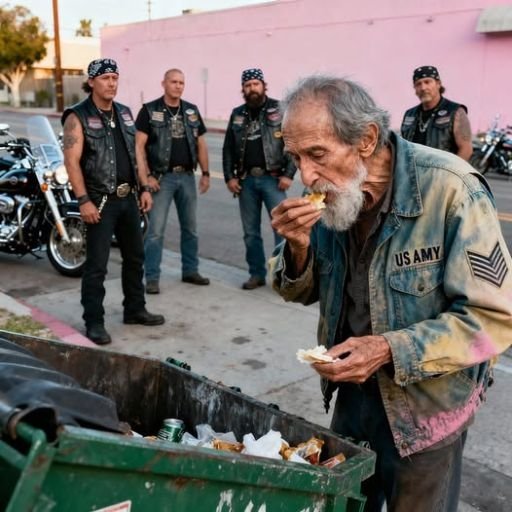
  • My Brother’s Fiancée Said Her Kids Had a Right to Our Family’s Inheritance, I Told Her ‘Of Course’ — But One Question Changed Everything

    My Brother’s Fiancée Said Her Kids Had a Right to Our Family’s Inheritance, I Told Her ‘Of Course’ — But One Question Changed Everything

    They say money shows people’s true colors. I never really believed that until the day my brother’s fiancée revealed hers. It wasn’t a dramatic outburst or some grand betrayal, just a single conversation that unraveled everything.

    And all it took was one simple question to bring her demands crashing down. I grew up in a modest but close-knit family. My parents weren’t wealthy by any stretch of the imagination, but they were careful with their money.

    They both worked hard, saved diligently, and believed that providing for their children—even long after they were gone—was part of their legacy. My father used to say, “Money itself isn’t love, but the way you use it can be an expression of love.” That was why, when he and my mother passed away within two years of each other, the inheritance they left behind wasn’t just a sum in a bank account—it was a symbol of decades of sacrifice, sweat, and devotion. The inheritance wasn’t enormous, but it was meaningful.

    The will was simple: everything was to be split equally between me and my brother, Michael. We had always been told this growing up, so there were no surprises. No strings attached, no complicated clauses—just an even division between the two of us.

    At the time, Michael was still adjusting to a new phase of life. He had been divorced for about three years, and raising his daughter, Lily, on his own hadn’t been easy. But he’d met someone new—a woman named Vanessa.

    She was warm at first glance, always impeccably dressed, and seemed to have an endless reservoir of energy. Michael fell for her quickly, and before long, they were engaged. Vanessa had two children from a previous relationship.

    I never had anything against them—they were polite enough when I saw them at family gatherings, though a little distant. I assumed it was normal; blending families isn’t easy, and I respected that it might take time. But then came the conversation.

    It happened one Sunday afternoon when Michael invited me over for lunch. He wanted me to get to know Vanessa better since, as he said, “You’re the only close family I have left. I want you two to be on good terms.”

    We sat around his dining table, the smell of roasted chicken filling the room.

    Vanessa made polite small talk for a while—asking about my work, my apartment, and whether I was dating anyone. Then, as the plates were cleared and the wine glasses refilled, her tone shifted. “I’ve been meaning to bring something up,” she began, folding her hands neatly on the table.

    “It’s about the inheritance your parents left behind.”

    Her sudden change of topic caught me off guard. Michael looked slightly uncomfortable, but he didn’t interrupt. I nodded cautiously.

    “What about it?”

    “Well,” she said with a practiced smile, “since you and Michael both received half, I was thinking it would only be fair to consider the children. After all, they’re the future of this family. Don’t you think the inheritance should go toward supporting them?”

    I frowned.

    “You mean Lily and… your kids?”

    “Exactly,” she replied quickly, as if relieved I’d understood. “They’re all going to be cousins, practically siblings once Michael and I are married. It seems only right that the money your parents left should help all of them equally.

    They wouldn’t want anyone to feel left out.”

    Her words hung in the air like smoke. Michael shifted in his chair, avoiding my eyes. That silence said more than anything—this wasn’t the first time she had brought it up.

    I leaned back slowly, trying to process what I was hearing. My parents had been clear: the inheritance was for me and my brother. Not for partners, not for stepchildren—us.

    Their children. But Vanessa’s tone was so confident, so assured, it was as if she believed her logic was unassailable. I decided to play along.

    “That’s an interesting perspective,” I said carefully. “So, you think the inheritance should be split among all the kids, not just between me and Michael?”

    “Yes, exactly!” she said, her eyes lighting up. “See, you get it.

    I knew you’d understand. I mean, it’s not really fair otherwise, is it? Why should Lily benefit just because she’s biologically related, while my kids get nothing?

    They’re going to be part of this family too.”

    I nodded slowly, pretending to agree. Inside, though, something twisted. Fair?

    The money wasn’t a random pot to be distributed to whoever raised their hand. It was my parents’ life’s work, their legacy for their children. Still, I kept my face neutral.

    “That makes sense. I can see why you’d want it that way.”

    Vanessa relaxed in her chair, clearly pleased. Michael finally looked up at me, his expression half-apologetic, half-relieved.

    That was when I decided it was time for the question. “Just so I’m clear,” I said calmly, “you think my parents’ inheritance should go equally to all the children in the family, correct?”

    “Yes,” Vanessa said firmly. “All right,” I replied.

    “So, if we’re splitting everything among the kids, does that mean your inheritance from your parents will also be divided the same way? Including Lily?”

    The room fell silent. Vanessa’s smile faltered.

    “Well… that’s different.”

    “Why is it different?” I asked, keeping my tone even. “If fairness is the goal, then surely Lily should have just as much right to your family’s inheritance as your kids would to mine. After all, we wouldn’t want anyone feeling left out.”

    Her lips parted as if she wanted to respond, but no words came.

    Michael glanced between us, his jaw tightening. “I don’t think that’s comparable,” Vanessa finally stammered. “My parents’ money is… well, that’s separate.

    And besides, they don’t even know Lily the way they know my kids.”

    I raised my eyebrows. “But my parents didn’t know your kids at all. Yet you think they’d want their money to go to them?”

    The silence that followed

    was thick enough to choke on.

    Michael cleared his throat. “Maybe we should take a step back—”

    But I didn’t let it drop. “No, I think this is important.

    Vanessa, you said fairness matters. That no child should feel left out. So, do you believe that should apply both ways, or just when it benefits your kids?”

    Her cheeks flushed a deep shade of red.

    She opened her mouth, closed it again, then looked down at the table. The answer was clear, even without words. Michael finally pushed back his chair, standing up.

    “That’s enough. This isn’t the time for this conversation.”

    But the damage had been done. The silence that followed said everything we needed to know.

    After that day, things were never quite the same. Michael avoided bringing Vanessa around me for a while. When I did see her, she was cordial but distant, her earlier enthusiasm gone.

    It didn’t take long before cracks began to show in their relationship. Six months later, they called off the engagement. Michael never told me the full story, but he didn’t have to.

    The inheritance conversation had exposed something deeper than money—it revealed Vanessa’s priorities. As for me, I never once felt guilty about shutting down her request. The inheritance wasn’t about greed or selfishness.

    It was about honoring what my parents had worked for and respecting their wishes. Money may show people’s true colors, but sometimes, it also reveals the truth you need to see before it’s too late. And in the end, one simple question was all it took.

  • An Unexpected Lesson in Setting Boundaries on a Plane

    An Unexpected Lesson in Setting Boundaries on a Plane

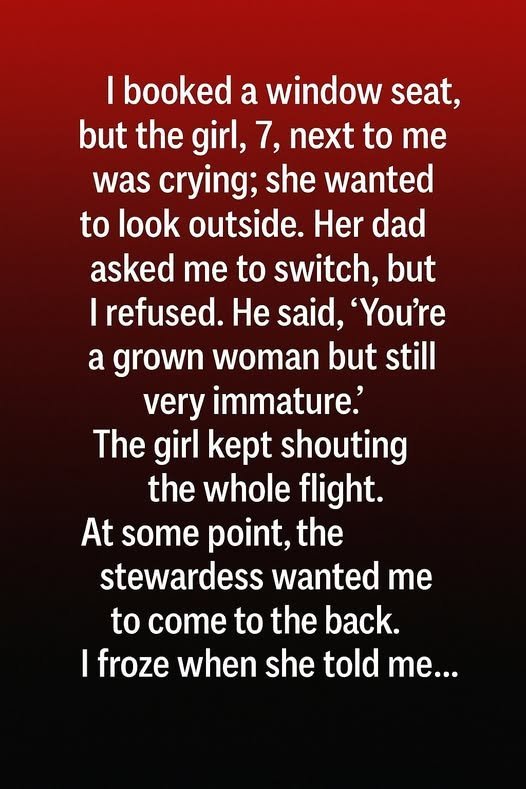
    I had carefully chosen a window seat weeks before the flight. It was a small personal treat after a long year of hard work. When I boarded, a young girl around seven sat next to me with her father.

    She glanced at the window with wide, hopeful eyes.

    When the plane began to taxi, she started to cry softly, wanting to see outside. Her father leaned toward me and kindly asked if we could switch seats so she could look out.

    I smiled politely but explained that I had booked this seat ahead of time for a reason. He sighed, then muttered, “You’re a grown woman but still very immature.” His words stung a little, but I held my ground.

    Throughout the flight, the girl’s cries echoed softly, making the situation uncomfortable for everyone.

    Midway through the journey, a stewardess approached me with a gentle smile and asked if I could step to the back for a moment. My heart raced; I worried I had done something wrong. But when we reached the galley, she surprised me by thanking me.

    She explained that sometimes passengers give in even when they’ve made fair arrangements, and it’s okay to have healthy boundaries.

    Her kind words eased the tension I had felt since takeoff. When I returned to my seat, I noticed the father had found a way to entertain his daughter with stories and games.

    She had stopped crying, and the cabin felt calmer. In that moment, I realized that standing firm doesn’t always mean being unkind — sometimes it’s simply honoring your own choices.

    And often, when people adjust, peace follows naturally.

  • My Mother Sold Our Family Heirloom Ring to Fund Her New Boyfriend’s Business – Karma Struck Back

    My Mother Sold Our Family Heirloom Ring to Fund Her New Boyfriend’s Business – Karma Struck Back

    When my mom sold our family heirloom for her boyfriend’s shady business, I thought it was gone forever. But karma helped us expose the betrayal and restore our family’s trust. I pushed the door open, calling, “Mom?

    I’m home!” My voice echoed through the quiet house. It was weird. Usually, Mom was in the kitchen, humming or talking on the phone.

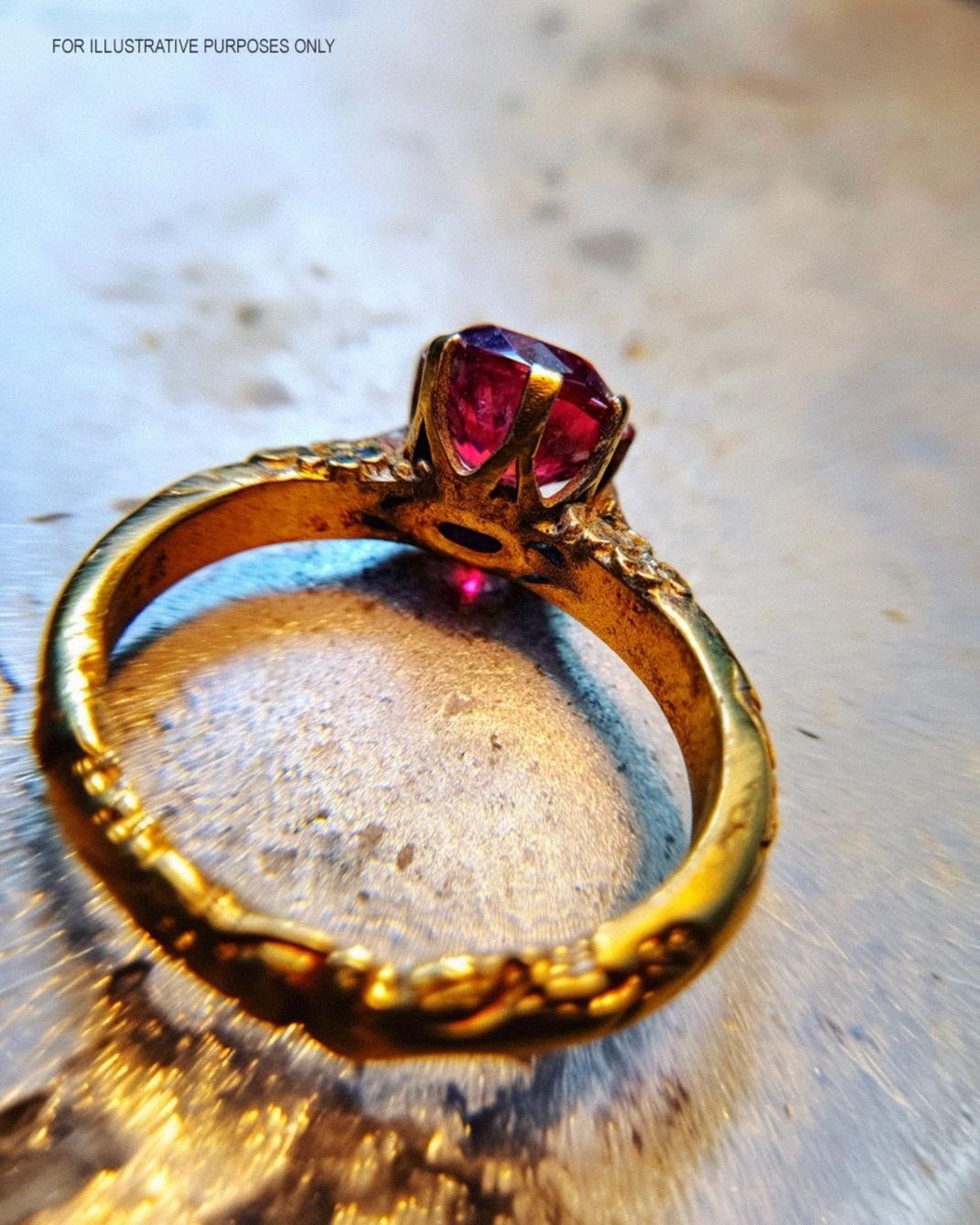
    I dropped my bag and walked into the living room. My eyes landed on the display shelf and froze. The spot where Grandma’s ring had always been was empty.

    The very ring with our family’s diamond, meant for me to wear when I married Jake after college, was gone. My stomach sank. “Mom!” I called louder, panic rising in my chest.

    She came rushing down the stairs, her face pale. “Oh, sweetheart, you’re home,” she said quickly, almost nervously. “Where’s the ring?” I asked, pointing to the empty shelf.

    She hesitated, her hands twisting together. “I… I needed to talk to you about that.”

    “Talk to me about what?” I demanded. “Mom, where’s Grandma’s ring?”

    Her eyes darted away.

    “I sold it,” she blurted. My heart stopped. “You what?”

    “Sweetheart, listen to me,” she started, stepping closer.

    “No!” I shouted. “You sold Grandma’s ring? The one she left to me?

    Why?”

    She flinched. “It’s not what you think. Kyle — he needed some capital for his new business idea, and—”

    After Dad left a few years ago, Mom went through a series of guys who were more like passing storms than partners.

    But then she met him. “You sold my ring for Kyle?” My voice cracked. I felt like the ground had disappeared under me.

    “That ring wasn’t just some piece of jewelry. It was Grandma’s. It was mine.”

    “Listen,” Mom said, her voice trembling, “I know you’re upset, but you have to understand.

    Kyle’s idea is solid. He just needed a little push to get started.”

    I took a deep breath, trying to calm the storm inside me. “Mom, Grandma gave me that ring for a reason.

    She wanted me to have it when I marry Jake. It’s not just some shiny thing to pawn off for a quick buck.”

    Her expression softened, but she still looked determined. “I know it meant a lot to you, but Kyle promised he’d pay it back once his business takes off.

    And then, sweetheart, we’ll have something even better. The shop across the street took it in for—”

    “Something better?” I interrupted. “There is nothing better than that ring.

    It’s family. It’s love. You’ve let some guy con you into throwing it all away.”

    Mom’s eyes flashed.

    “Con me? Is that what you think? I’m trying to build a future for us — for you too!”

    “For me?” I laughed bitterly.

    “You think Kyle’s half-baked ideas are going to help me? Mom, you don’t even know if he’s telling the truth.”

    “He showed me the plans,” she argued. “He’s got investors lined up—”

    I held up my hand.

    “Stop. Just stop. You sold my heirloom, Mom.

    And for what? A dream Kyle made up to get you to open your wallet?”

    “It wasn’t like that,” she whispered. Tears burned my eyes.

    “It doesn’t matter. What matters is the ring is gone. It’s gone, Mom!”

    She looked down, biting her lip.

    “I thought you’d understand,” she said softly. “Understand?” I shook my head. “I’m going to find a way to fix this.

    I’m getting that ring back.”

    “How?” she asked. “It’s at the pawn shop, but I don’t have the money to get it back right now.”

    Her words hit me like a slap. “You didn’t even get a fair price, did you?”

    She didn’t answer.

    Just then, Jake walked in, carrying a pizza box. He froze when he saw us. “Uh, bad time?”

    I wiped my face quickly.

    “Perfect timing, actually. Mom sold Grandma’s ring for Kyle’s ‘business.’”

    Jake’s eyes widened. “Wait, what?

    The ring?”

    Mom sighed, clearly overwhelmed. “Jake, please, this isn’t about you.”

    He put the pizza on the table. “It is when you mess with the person I love.”

    I looked at him, grateful for his support.

    “We need a plan,” I said firmly. Jake nodded. “We’ll figure this out together.

    Trust me.”

    A few days later, Jake grinned as Rachel, a drama student at our university, leaned back in her chair, crossing her arms with mock confidence. “So, you’re telling me I get to play the villain and wear designer clothes? Count me in.”

    I smiled, but my stomach churned.

    “This has to work, Rachel. Kyle’s got my mom completely fooled, and we need to make him show his true colors.”

    “Relax,” she said, flipping her hair dramatically. “Vanessa will have him eating out of the palm of her hand.”

    The next two days were all about preparation.

    Rachel set up a sleek social media profile for “Vanessa,” complete with photos of expensive vacations and captions about business ventures. Jake coached her on financial buzzwords while I helped her craft messages that would stroke Kyle’s ego. Rachel sent the first message to Kyle: “I came across your profile and couldn’t help but notice your entrepreneurial spirit.

    I’m always looking for innovative partners.

    Let’s talk.”

    Within hours, Kyle responded. He was eager and quick to brag about his “business vision.” Rachel reeled him in with flirty, business-savvy replies, and by the end of the day, he agreed to meet her at a high-end restaurant downtown. Jake and I sat in a corner booth at the restaurant, the dim lighting hiding us from view.

    Rachel, dressed in an elegant black dress, sat at the bar, sipping a cocktail with perfect poise. Kyle entered, grinning like he’d already won. He greeted “Vanessa” with a handshake that lingered a little too long.

    “So, tell me,” Rachel began, her voice smooth, “what’s your current project?”

    Kyle puffed up. “I’m building something big — game-changing, really. I’ve already secured a bit of seed money.” He leaned closer.

    “My girlfriend helped with that. She’s very… supportive.”

    Rachel tilted her

    head. “Impressive.

    So you’re free to pursue opportunities outside of your… current arrangement?”

    Kyle laughed. “Oh, absolutely. She’s sweet, but we’re not exactly on the same level, you know?

    I need someone who matches my ambitions.”

    Jake nudged me under the table as I recorded the exchange on my phone. The same evening, we walked into a pawn shop my mother mentioned. The man behind the counter looked up, his face bored.

    “Looking for something?” he asked, setting down a coffee cup. “Yes,” I said, trying to sound confident. “A ring.

    Antique diamond, oval cut, gold band. It was brought in a few days ago.”

    He scratched his beard, squinting at me. “Yeah, I remember.

    Nice piece. You here to buy it back?”

    “Yes,” I said quickly. “How much?”

    He leaned against the counter, sizing us up.

    “$2,500.”

    I felt my stomach drop. “What? That’s way more than you paid for it!”

    The man shrugged.

    “It’s called a business. You want it, or not?”

    Jake stepped forward, his jaw tight. “You’re gouging us.”

    “Look, kid,” the man said, crossing his arms, “it’s a rare ring.

    I don’t have to sell it back at all.”

    I felt tears sting my eyes, but Jake squeezed my hand. “We’ll take it,” he said firmly. We pooled our savings, handing over the cash.

    The man placed the ring in my hand, and a wave of relief washed over me. “It’s home,” I whispered, gripping it tightly. The next morning, Mom sat at the kitchen table, staring at her coffee cup.

    As we prepared to confront her with the video from the restaurant, Kyle strolled in, looking smug. “Hey, babe,” he began, “we need to talk.”

    Mom looked up, confused. “What’s wrong?”

    “I’ve met someone,” Kyle said, his tone oozing confidence.

    “She’s more sophisticated, more in line with where I’m going in life. It’s better for both of us if we end things now.”

    Mom froze. “You’re leaving?

    After everything I’ve done for you?”

    “It’s nothing personal,” Kyle said with a shrug, then grabbed his bag and left. That evening, Jake and I sat with Mom in the living room. She looked exhausted, her hands wrapped around a mug of tea she hadn’t touched.

    I took a deep breath, sitting beside her. “Mom, we need to talk,” I said softly, my voice trembling just enough to catch her attention. Her face crumpled, and she set her mug down.

    “I felt used today,” she whispered. “When he walked out that door, I knew I’d been blind. I just didn’t want to admit it.” She looked at me, tears welling in her eyes.

    “I’m sorry. I never should’ve touched that ring. I was so desperate to believe I could fix things for us.”

    “Well, Mom,” I said, grinning, “I know for a fact his affair with Vanessa won’t last.” I showed her the video and explained that Vanessa was in fact Rachel, our friend.

    She pulled me into a hug, her tears soaking into my shoulder. “Thank you for not giving up on me,” she whispered. Kyle didn’t stay quiet for long.

    A few days later, when he realized Vanessa wouldn’t talk to him anymore, he showed up at the door, his charm replaced by desperation. “Hey, can we talk?” he asked, his grin faltering when Mom stood firm in the doorway. Her expression didn’t waver.

    “I know exactly who you are now. Leave, or I’m calling the police.” She closed the door with a finality that left no room for doubt. As we sat together that evening, Mom reached for my hand.

    “Your grandmother would be proud of you,” she said. “Of us.”

    I smiled, clutching the ring tightly. It wasn’t just a piece of jewelry.

    It was a promise, a reminder that family always comes first.

  • The Bikers I Spent Years Trying To Kick Out Of The Neighborhood Were Standing In My Kitchen At 7 AM Cooking My Breakfast

    The Bikers I Spent Years Trying To Kick Out Of The Neighborhood Were Standing In My Kitchen At 7 AM Cooking My Breakfast

    I was seventy-nine years old, dying of stage four cancer, and I hadn’t eaten a real meal in six days. The smell of eggs and bacon made my stomach growl for the first time in weeks—
    But that wasn’t what made me cry. It was the way the tattooed man with the beard checked the temperature of my coffee before bringing it to me,
    Making sure it wasn’t too hot for my mouth sores.

    It was the way his friend was quietly washing my dishes—
    The ones that had been piling up for two weeks
    Because I couldn’t stand long enough to clean them anymore. It was the way they moved through my kitchen like they’d done this before. Like taking care of a dying old woman who’d spent thirty years hating them
    Was just something they did on Tuesday mornings.

    I’m Margaret Anne Hoffman,
    And I’ve lived at 412 Maple Street for fifty-three years. I raised three children in this house. I buried my husband from this house.

    And I spent the last thirty years of my life
    Trying to destroy the motorcycle club that moved in next door—
    Convinced they were criminals. Drug dealers. Thugs who were ruining our peaceful neighborhood.

    I filed 127 noise complaints. I called the police on them 89 times. I started a petition to have their clubhouse shut down that got 340 signatures.

    And when I got so sick I couldn’t leave my bed—
    When my children stopped calling
    And my neighbors stopped checking on me—
    When I was lying in my own house, starving,
    Because I was too weak to cook and too proud to ask for help…

    Those bikers I’d spent thirty years trying to destroy kicked down my door and saved my life. What I found out about why they did it—
    And what they’d known about me all along—
    Destroyed every belief I’d held for three decades. The man flipping the eggs that morning—his name was Mason—turned to me like I was an old friend, not someone who once screamed at him from across the street holding a garden rake like a pitchfork.

    “Margaret,” he said gently, placing a plate in front of me, “we saw the papers piling up outside. Saw the trash wasn’t taken out. Figured something was wrong.”

    I was too weak to argue.

    Too broken to feel embarrassed. I just nodded and said thank you. And I cried again.

    After I ate, they didn’t leave. Another man—Benny, I think—started sweeping my kitchen floor. He didn’t ask.

    Just did it like it was part of the plan. Mason pulled up a chair next to me. He was a big guy, the kind you’d cross the street to avoid.

    Tattoos on his neck, a scar over his eyebrow, leather vest with his club’s name: Iron Faith. “You probably don’t remember,” he said softly, “but you used to give me butterscotch candies when I was ten.”

    I blinked at him. Ten?

    “You lived on the corner then,” he said. “Before you moved in here. I’d ride my bike past your house and you’d sit on the porch.

    You always had candy in your apron pocket.”

    I stared at him. The face in front of me didn’t match the boy I remembered—
    But now that he said it, I did recall a little red-headed kid with a scraped knee and a crooked grin. “That was you?” I whispered.

    “Yeah,” he said, smiling. “You were the first person who was ever kind to me.”

    He told me his story then. How his dad used to beat him.

    How he’d run out of the house and ride his bike in circles just to avoid going home. How that one candy I’d give him made him feel seen. Human.

    Worth something. And I started to cry again. Because I’d forgotten.

    I’d forgotten that I used to be kind. That before I got bitter and tired and lonely,
    Before I buried my husband and watched my children drift away,
    Before the pain swallowed me whole—
    I used to be someone who gave out candy. The next day, they came back.

    Same time. Same kindness. They brought groceries.

    Toilet paper. One of them, a woman named Frankie—short for Francesca—brought me clean pajamas and helped me take a sponge bath. She had piercings in her nose and half her head shaved,
    But her hands were gentle.

    Like my daughter’s had been, once. I asked her why they were doing this. Why me.

    She said, “Because you need help. And because you gave our president his first piece of candy.”

    They took shifts. One always there.

    They fixed the broken lock on my back door. They changed the lightbulbs I couldn’t reach. They took care of my cat, who I hadn’t seen in three days.

    And I started to smile again. Even laugh. Even eat.

    But the twist? The part that tore me apart and rebuilt me at the same time? It came two weeks later.

    I was sitting in my living room, watching some awful cooking show, when Mason sat beside me and handed me a yellowed envelope. “I was gonna give this to you back then,” he said, “but I was just a kid and I got scared.”

    Inside was a drawing. A stick figure me on a porch, holding out candy.

    And a boy on a bike, smiling. The words at the bottom read:
    “Thank you for seeing me.”

    I pressed the drawing to my chest and sobbed like a child. It turns out, the Iron Faith club wasn’t what I thought they were.

    They weren’t drug dealers. They weren’t criminals. They were mostly veterans.

    Ex-firefighters. Recovering addicts who’d built something honest together. Their “clubhouse” was also a soup kitchen on Sundays.

    A food bank on Fridays. A place for lost souls to come find a warm meal and someone who cared. And I had spent thirty years trying to shut it down.

    I’d judged them by their jackets,
    By the roar of their engines,
    By the late-night laughter that I’d assumed meant trouble—
    When really, it was the sound of broken people learning to feel joy again. One night, I asked Mason why they didn’t hate me. Why they didn’t just leave me to rot.

    He shrugged. “Because hate’s heavy. And we don’t carry what we don’t need.”

    It took me days to process that.

    Weeks to believe it. And months to forgive myself. I lived another eleven m

    onths after that morning.

    Longer than any of the doctors thought I would. And those months? They were filled with laughter.

    With music. With loud engines revving outside my window
    Not to disturb me—
    But to let me know I wasn’t alone. I saw Mason cry once.

    It was the day his sister came to the soup kitchen and told him she was finally clean. She’d been addicted for years. But now, she was clean.

    And he held her like she was made of glass. And I saw what a good man looked like. When the end came for me,
    I wasn’t afraid.

    I wasn’t alone. I died in my bed,
    Holding the hand of a tattooed woman named Frankie,
    While Mason read the Bible aloud in that gruff voice of his. They buried me in the cemetery on Willow Lane.

    Next to my husband. And do you know what they rode in with? Fifty motorcycles.

    One for every year I lived on that street. People came out to watch. To see the club that Margaret Hoffman once tried to destroy—
    Now laying her to rest like she was one of their own.

    And I was. In the end, I was. Because family isn’t always blood.

    Sometimes it’s the ones who see you when you’ve become invisible. Sometimes it’s the ones who forgive you
    Even when you don’t deserve it. So if you’re reading this,
    Don’t wait thirty years to see people for who they really are.

    And don’t ever be too proud to accept help from the ones you don’t understand. Because the people you fear might be the ones who save your life. And the people you push away might just be the family you never knew you needed.

    💬 If this story touched you, please share it. Someone out there might be fighting a battle you can’t see. Like.

    Comment. Pass it on. Let’s spread kindness before it’s too late.